Lest we forget
Remembrance Day – also known as Armistice Day – takes place every year to remember all people who have died in wars. The day is commemorated with ceremonies and tributes, with Remembrance Sunday taking place on the second Sunday of November each year.
On Remembrance Day, people say 'Lest we forget' as a solemn reminder to honour the service and sacrifice of those who lost their lives. But what are the origins of Remembrance Day?
Here, BBC Bitesize takes a closer look at the history of Remembrance Day, why it is still commemorated today, why people wear poppies in tribute and much more.

Why is Remembrance Day 11 November?
While World War One officially ended with the Treaty of Versailles in June 1919, hostilities between the Allies and Germany came to a conclusion with the signing of the armistice the previous year.
This truce was agreed on the 11th hour of the 11th day of the 11th month that year - 11 November 1918.
One year later, King George V held a banquet at Buckingham Palace on 10 November, before the first Armistice Day was marked the following day to remember the fallen soldiers.

Why do we have two minutes of silence on Remembrance Day?
The tradition of silence began on the first Armistice Day in 1919. Australian journalist Edward George Honey wrote a piece for a newspaper calling for a respectful silence to remember those who had died.
King George V was made aware of this and issued a proclamation calling for a period of silence. Ever since, millions of people across the generations have held a two minute silence to remember those who have died in wars.
The practice of a two-minute silence is said to have originated in Cape Town, South Africa, where a daily pause was held from May 1918 to May 1919. On Remembrance Day, the two-minute silence takes place at 11am.

What is Remembrance Sunday?
During World War Two, Armistice Day commemorations were moved to the Sunday before 11 November so as to minimise any logistical disruption during wartime. In the aftermath of WW2, plans were made to mark the fallen and ensure they were also remembered, with concerns they might be forgotten if ceremonies were only held on 11 November, a date so heavily associated with WW1.
The proposal is generally attributed to church leaders and government discussions following the Second World War. A national service of remembrance is held at the Cenotaph war memorial in London each year on Remembrance Sunday.
The two minutes of silence have taken place on both remembrance days since 1995.

Why do we wear poppies?
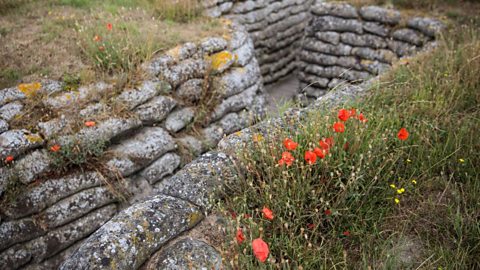
Poppies became a symbol of remembrance because they grew across many battlefields after the fighting in World War One. Canadian doctor, Lieutenant Colonel John McCrae wrote a now famous poem about them called ‘In Flanders Fields’.
The Royal British Legion first started selling poppies in 1921, raising more than £106,000 to help WW1 veterans with housing and jobs.
What do the different colour poppies mean?
While the red poppy, the symbol of remembrance, is most common, people can choose to wear alternative poppies. Black poppies represent the contribution of black, African and Caribbean communities to the war effort, while purple poppies are worn to remember animals killed in service.
White poppies are worn by people who want to commemorate those who lost their lives – but also symbolise a commitment to peace. They are also chosen by some people who feel the red poppy glorifies war. The Royal British Legion says the red poppy is not a symbol in support of war or death.
Some people also choose not to wear a poppy at all because they feel the symbol has become politicised or or because they feel pressured to wear one. The Royal British Legion say wearing a poppy should be a personal choice for individuals.

When is Remembrance Sunday 2026?
As mentioned, Remembrance Day is commemorated annually on 11 November. In 2026, 11 November falls on a Wednesday.
Remembrance Sunday is held on the second Sunday in November every year. In 2026, Remembrance Sunday will be on Sunday, 8 November.
This article was published in November 2021 and updated in October 2026
